
Things to Do in Istanbul

The sights that earn their place, grouped by neighbourhood so you can build a route — plus the half of Istanbul that is only visible from the Bosphorus.

Where to Start in a City of Two Continents

Istanbul is not a city you finish. It has been a capital for sixteen centuries under three names, and the list of things worth seeing is longer than any trip. What follows is the shortlist that actually earns its place, grouped the way the city is laid out rather than by rank, so you can build a route instead of a wish list.

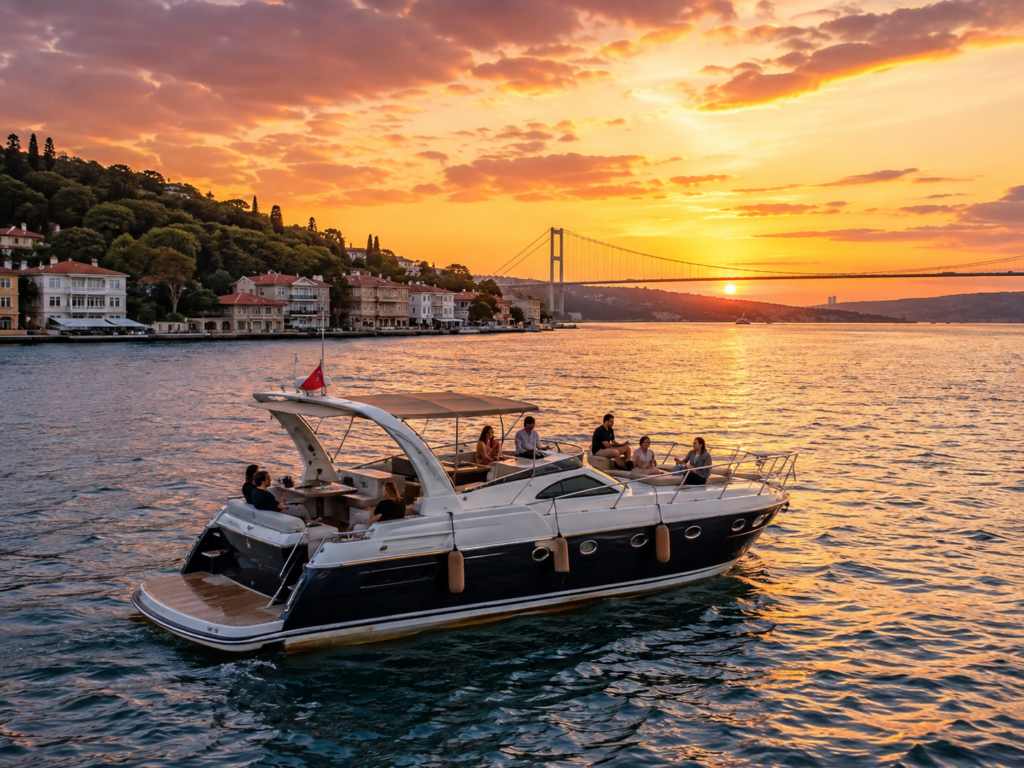
One thing to decide early: Istanbul is a city built around water, and half of what makes it extraordinary is only visible from the Bosphorus. Most visitors leave that to the last day. It works better as the first.

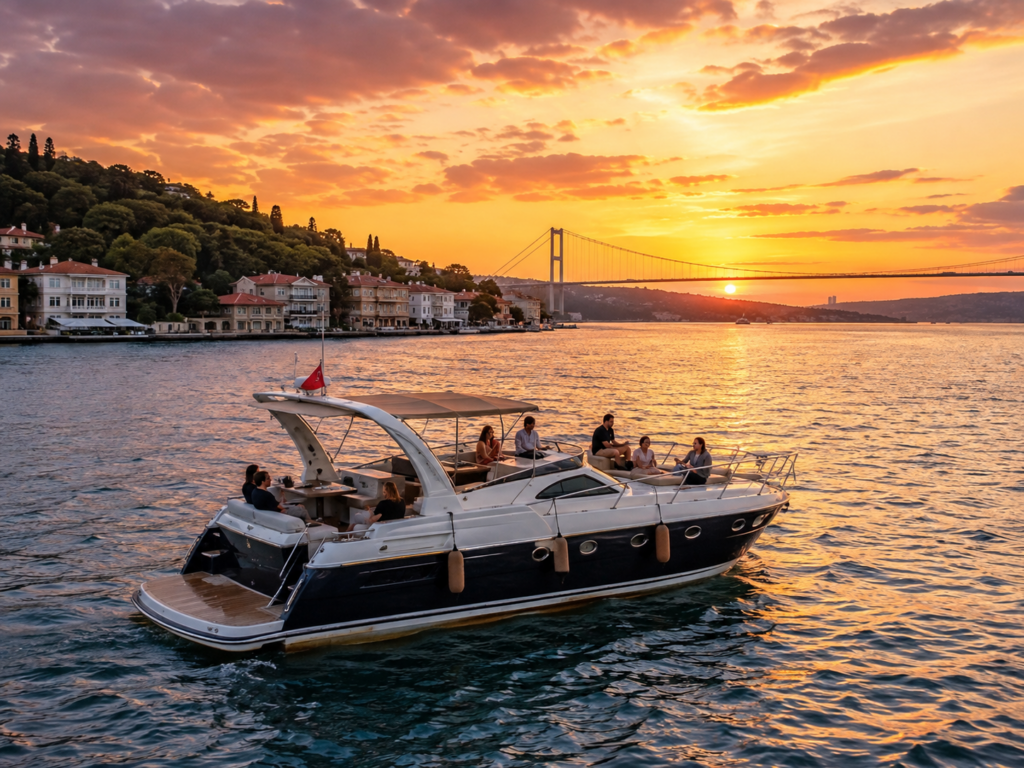
See the city from the water

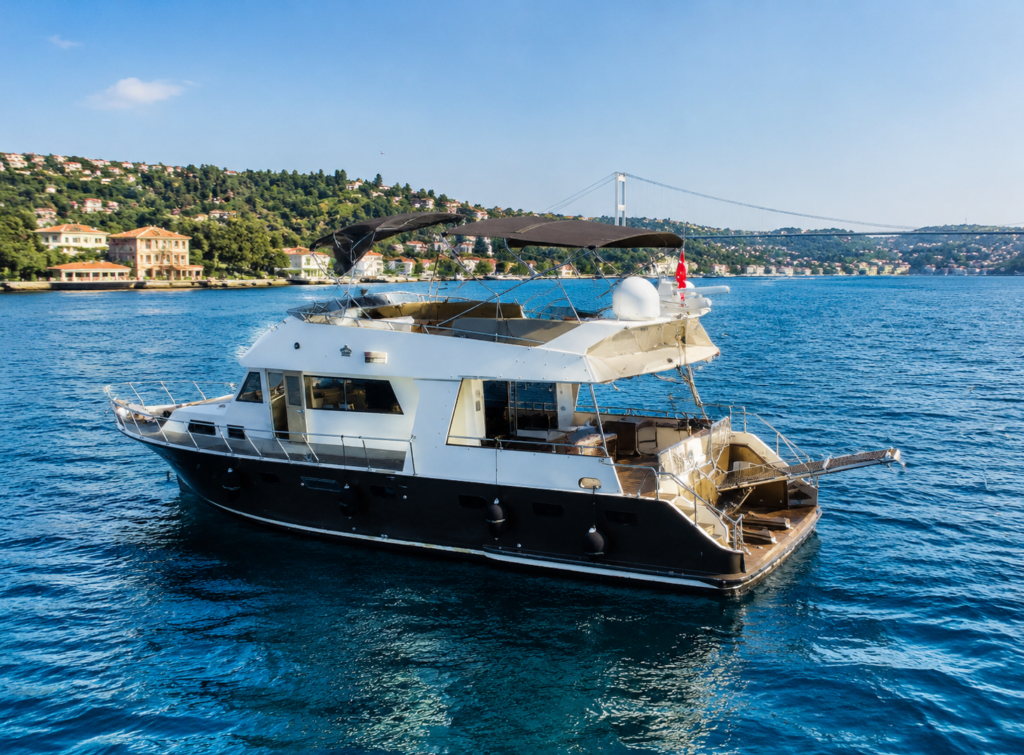
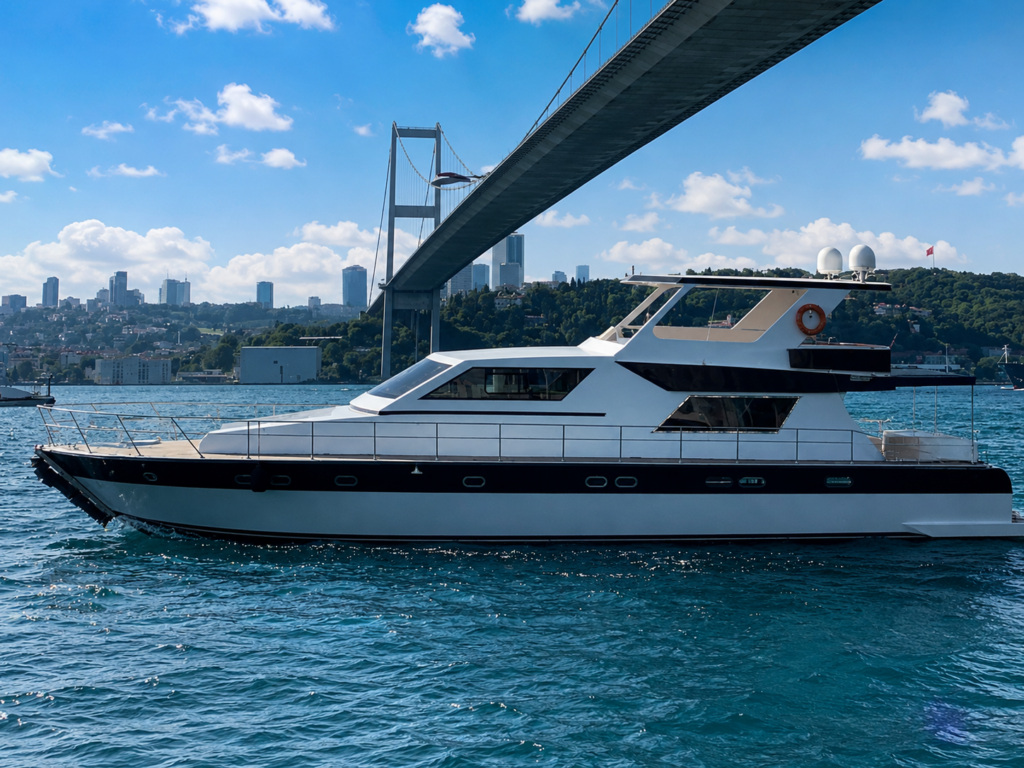
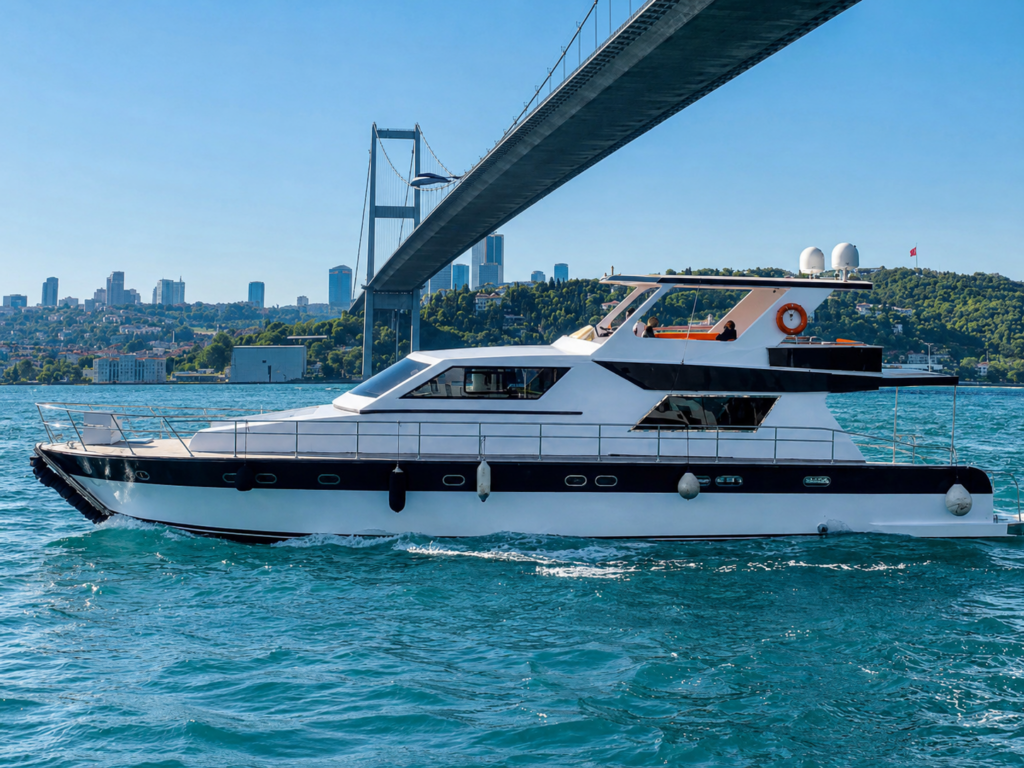
Istanbul skyline seen from the Bosphorus

The Ten Things Most Visitors Come For

If you only have a few days, this is the core. Times are what the sight itself takes, not counting queues or travel.

What Where Time Why it matters
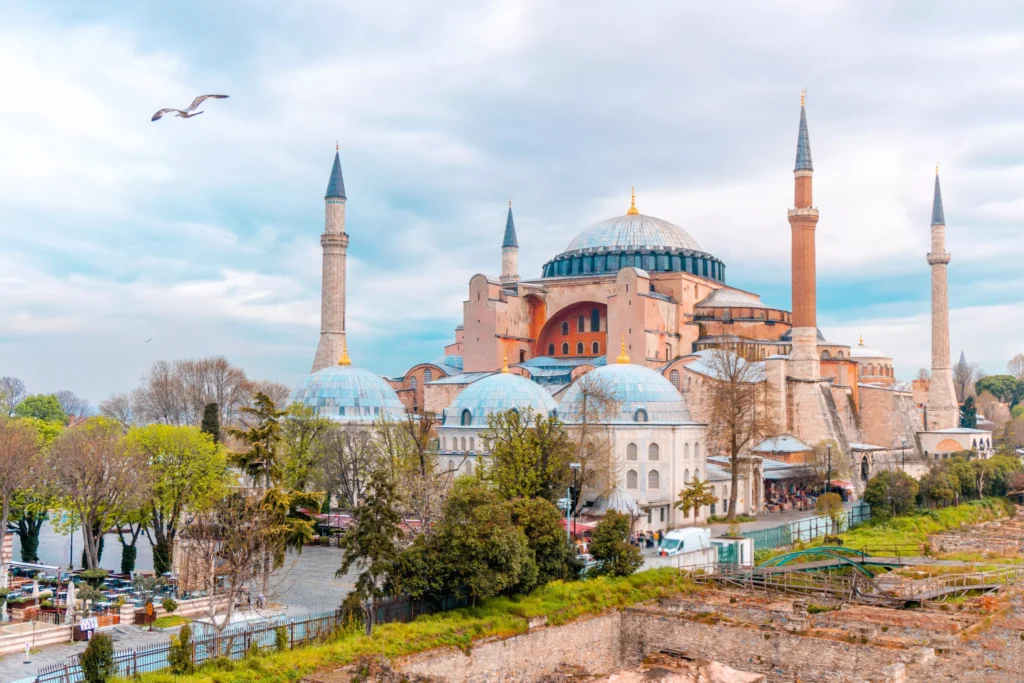
Hagia Sophia Sultanahmet 1 hour Cathedral, then mosque, then museum, now mosque again. The dome still reads as impossible.
Blue Mosque Sultanahmet 45 min Six minarets and twenty thousand İznik tiles, directly facing Hagia Sophia across a park.
Topkapı Palace Sultanahmet 2–3 hours Four courtyards of Ottoman court life. The Harem is a separate ticket and worth it.
Basilica Cistern Sultanahmet 45 min An underground forest of Roman columns, two of them resting on Medusa heads.
Grand Bazaar Beyazıt 2 hours Sixty covered streets and roughly four thousand shops, trading since 1461.
Spice Bazaar Eminönü 1 hour Smaller, louder and better for food. Built to be funded by Egyptian trade revenue.
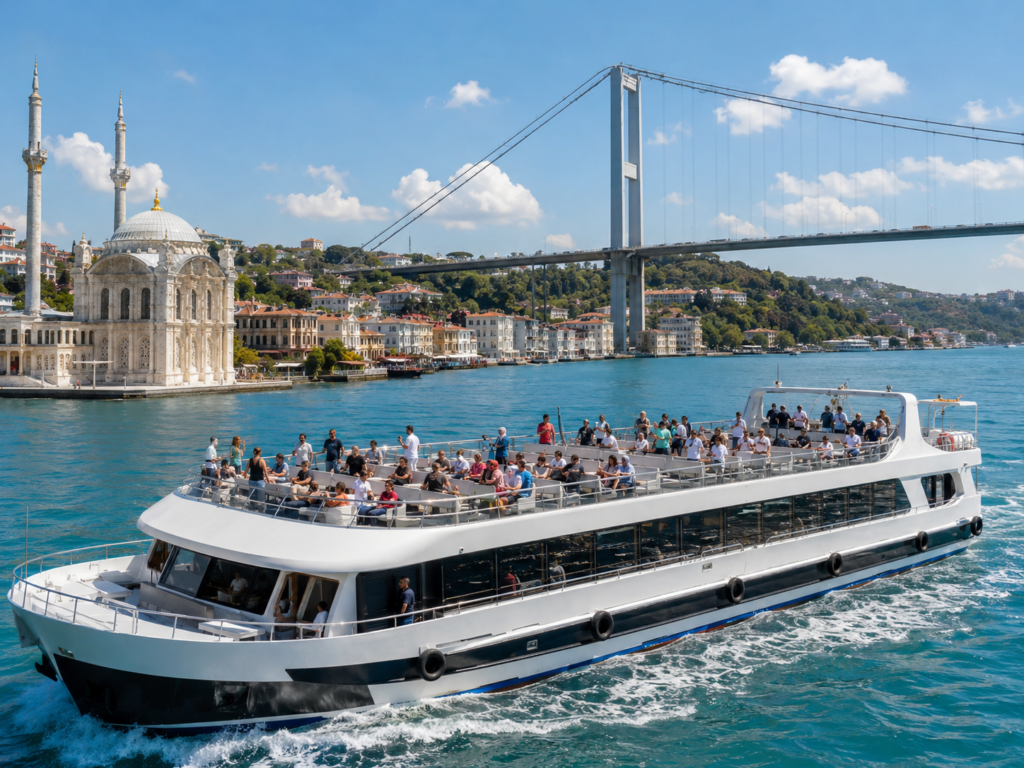
Bosphorus cruise Kabataş / Eminönü 1–3 hours Palaces, fortresses and wooden mansions that are only visible from the water.
Dolmabahçe Palace Beşiktaş 2 hours Where the Ottoman court moved when Topkapı stopped feeling modern. European in every detail.
Galata Tower Karaköy 45 min The Genoese watchtower with the view that puts the whole peninsula in one frame.
Kadıköy Asian side Half day Market streets, meyhanes and the Istanbul that locals actually live in.

Sultanahmet: The Old City in One Walk

Almost everything on the classic list sits inside one square kilometre, which is why the Old City is where most first visits begin.

Hagia Sophia and the Blue Mosque

They face each other across Sultanahmet Square, roughly a thousand years apart. Hagia Sophia was completed in 537 and held the record for the world’s largest interior for nearly a millennium; the Blue Mosque answered it in 1616 with a cascade of domes and six minarets. Both are working mosques, so plan around prayer times, dress modestly and expect to remove your shoes.

Topkapı Palace and the Harem

Topkapı is less a palace than a walled town: four courtyards that get progressively more private as you move inward, ending in the treasury and the sacred relics. Give it half a morning. The Harem requires its own ticket and is the part most people regret skipping.

The Basilica Cistern

Three hundred and thirty-six columns holding up a roof over still, lit water, built to supply the Great Palace in the sixth century. It is cool, dim and mercifully short — a good antidote in the middle of a hot afternoon.

The Hippodrome

The long open space beside the Blue Mosque was the chariot-racing spine of Byzantine Constantinople. What survives is the Egyptian obelisk, the Serpent Column from Delphi and the Walled Obelisk — three monuments standing where the track’s central barrier once ran.

The Bosphorus: The Half of Istanbul You Cannot Walk To

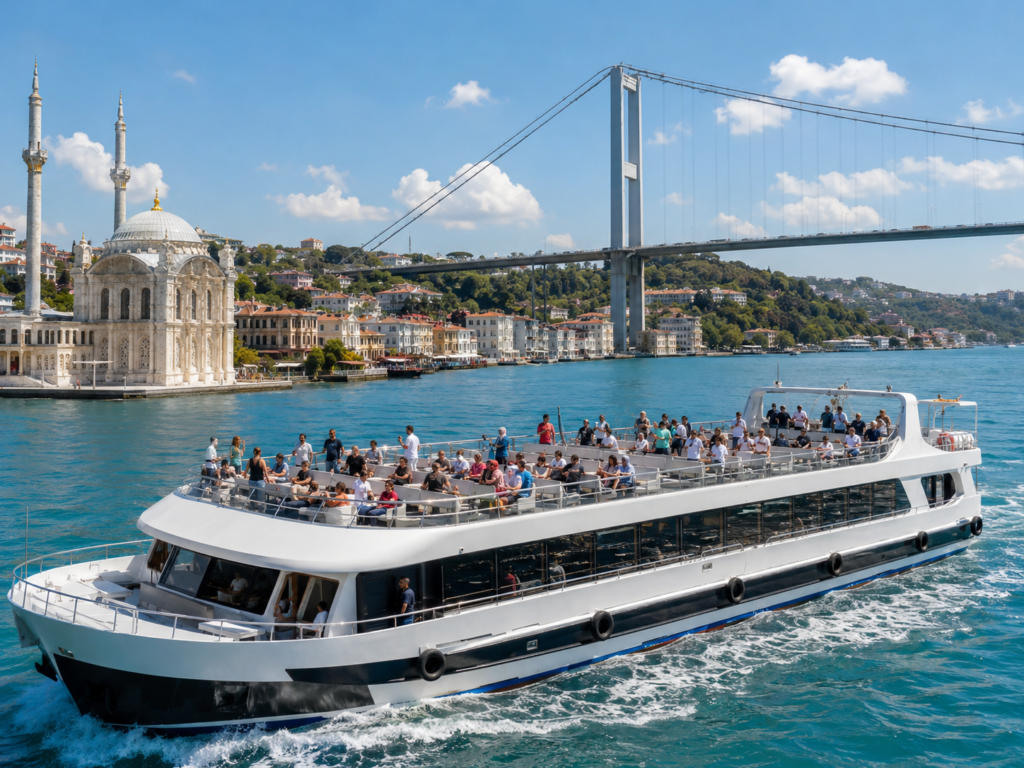
The strait that separates Europe from Asia is thirty kilometres long, and its banks hold the buildings the city was proudest of: Dolmabahçe and Beylerbeyi palaces, the Rumeli and Anadolu fortresses, the Maiden’s Tower on its own islet, and the wooden waterfront yalı mansions that have no street frontage at all. Several of them genuinely cannot be seen properly from land.

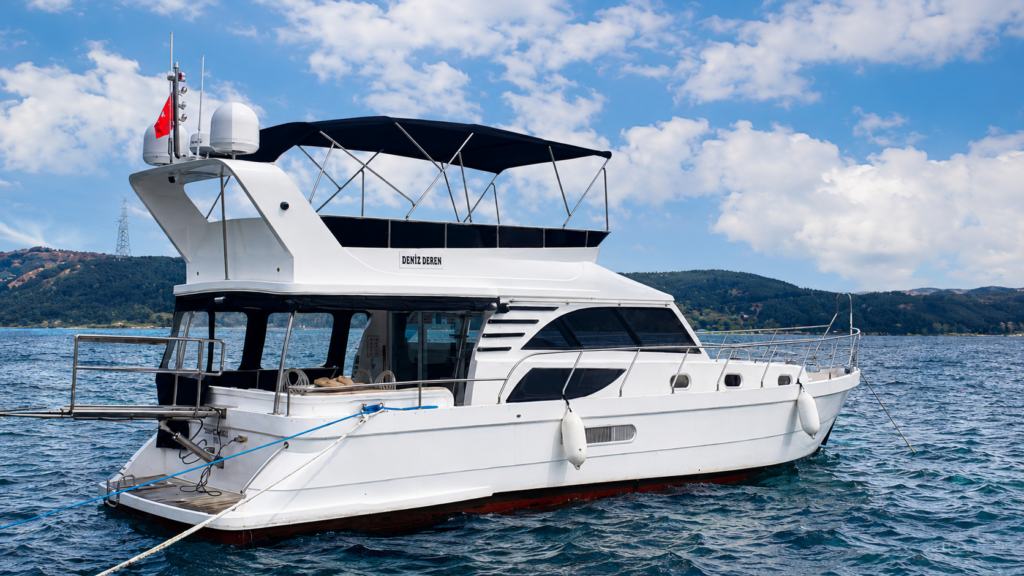
You have three ways to do it. The public ferry is the cheapest and busiest. A ticketed sightseeing cruise adds a guide and a fixed route. A private charter gives you the boat, the hour and the itinerary.

Compare cruise prices

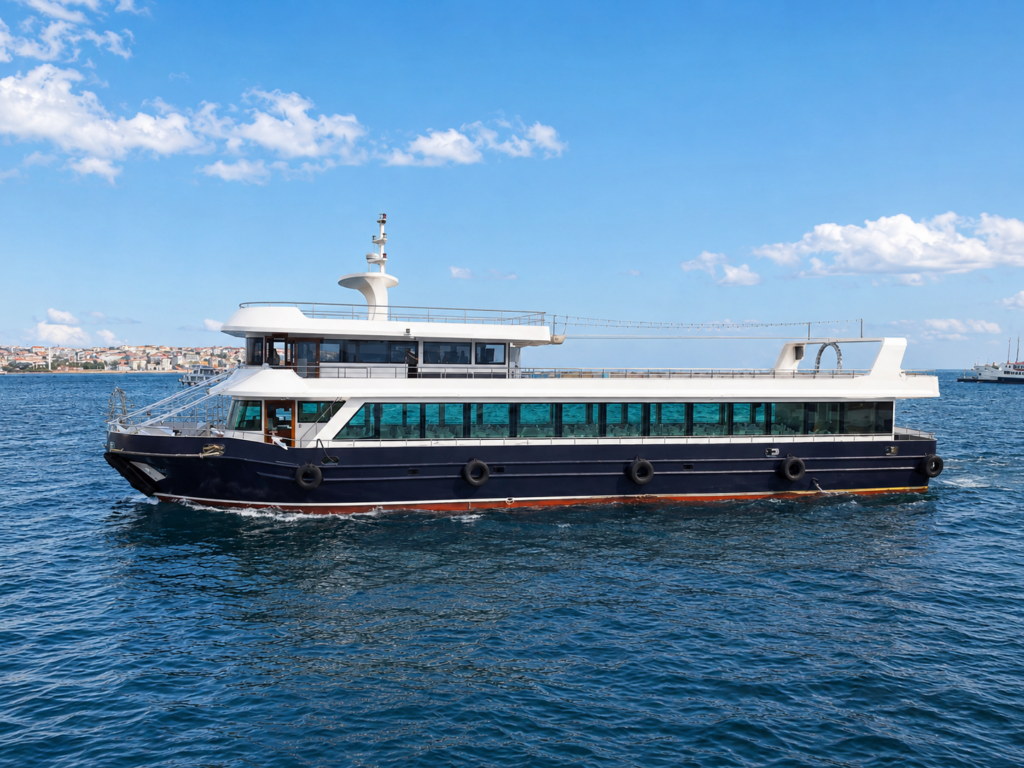
Bosphorus day cruise boat passing the European shore

Ways to Get on the Water

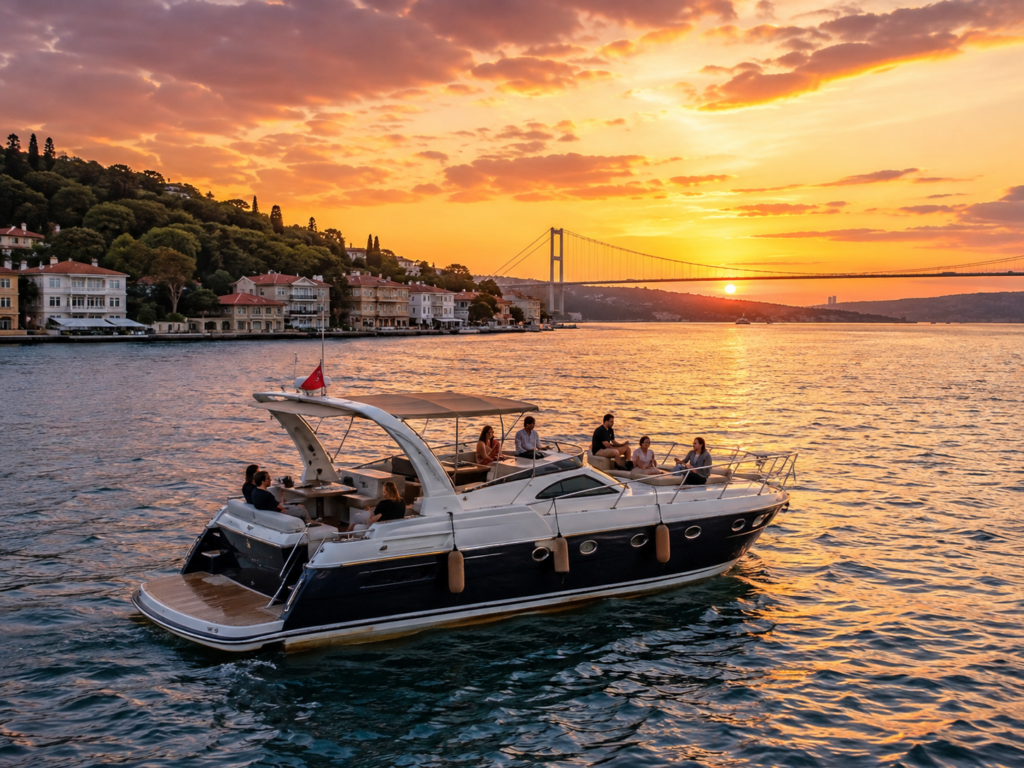
Live prices for the sightseeing and sunset sailings.

Bazaars, Markets and What to Actually Buy

The Grand Bazaar (Kapalıçarşı) opened in 1461 and grew into roughly four thousand shops along sixty covered streets. It is organised by trade — gold on one lane, carpets on another, ceramics on a third — which is the only way to navigate it. Prices are negotiable and expected to be negotiated.

The Spice Bazaar in Eminönü is a fraction of the size and twice the smell: Turkish delight, dried fruit, saffron, tea, nuts. It is the better stop if you are buying food to take home, and it sits directly beside the ferry piers, which makes it an easy pairing with a Bosphorus sailing.

For everyday shopping without the tourist markup, walk the streets around Karaköy or the market lanes of Kadıköy on the Asian side.

Beyoğlu, Galata and Karaköy

Cross the Golden Horn and the city changes century.

Galata Tower is the obvious landmark — a Genoese watchtower from 1348 with a viewing gallery that frames the Old City, the Golden Horn and the Bosphorus in a single turn. Go early or late; the queue is the only difficulty.

İstiklal Avenue runs from Tünel to Taksim Square with a red heritage tram down the middle. The avenue itself is busy and commercial; the reward is in the side streets, where the passages, bookshops, meyhanes and music bars are.

Karaköy, the waterfront below Galata, has turned into the city’s best neighbourhood for coffee, design shops and small restaurants — and it is where the Galataport cruise terminal now sits, which makes it the first Istanbul most cruise passengers see.

The Asian Side

Twenty minutes by ferry, and almost no tour buses.

Kadıköy is the answer to “where do people who live here actually go?” The produce market spills across several streets, the meyhanes fill after dark, and Moda — a fifteen-minute walk south — has the waterfront park where the city goes to watch the sun set over the peninsula it just left.

Üsküdar is quieter and more conservative, with Ottoman mosques by Mimar Sinan and the best land-based view of the Maiden’s Tower. The Çamlıca Hill above it is the highest point in the city.

The ferry across is worth taking as an experience in its own right. It is also a useful preview: if you enjoy the twenty-minute crossing, you will enjoy a full Bosphorus cruise considerably more.

Istanbul After Dark

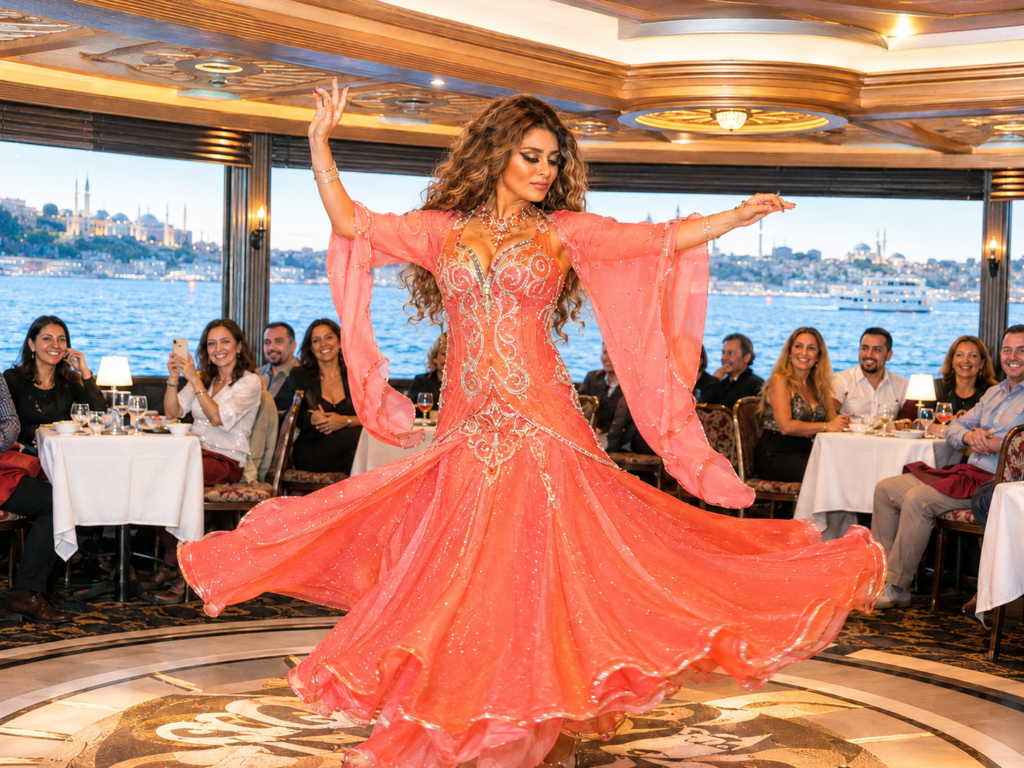
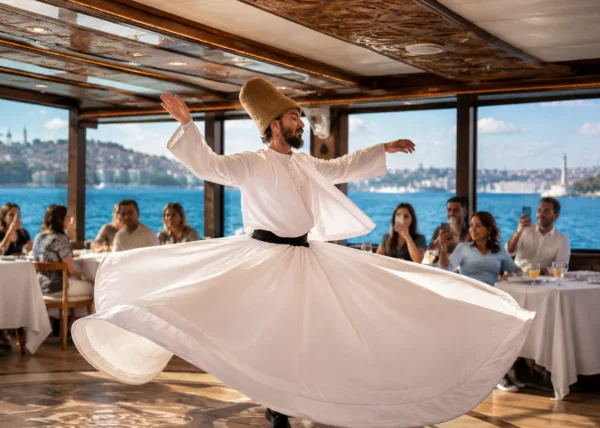
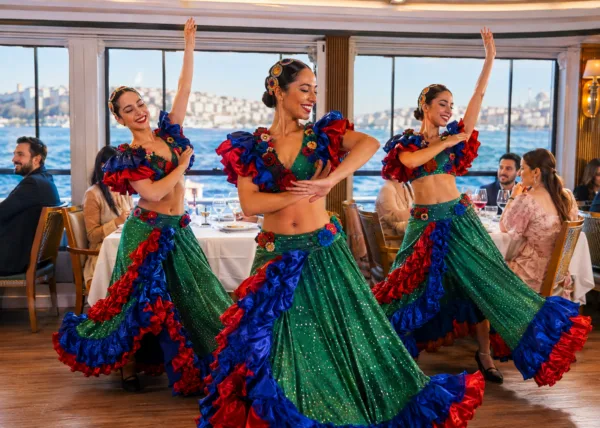
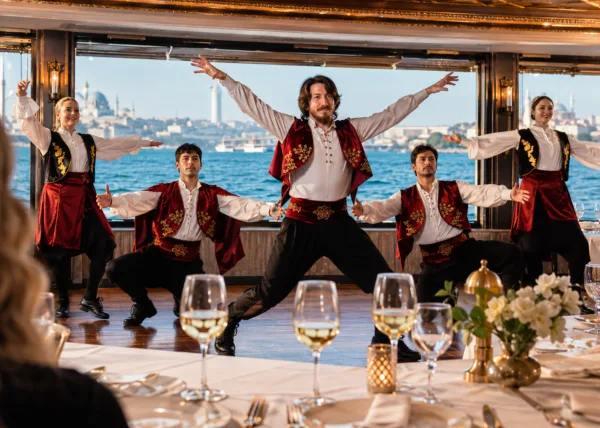
The evening version of the city is a separate trip. The classic combination is dinner on the water with a live programme: Turkish folk dance, a whirling dervish sema, and an oriental dance show, with the illuminated shoreline moving past the window between courses.

If you would rather stay on land, the meyhanes of Beyoğlu and Kadıköy are the traditional option: raki, meze and a long table. Rooftop bars in Karaköy and Galata give you the skyline with a drink.

Bosphorus dinner cruise

Whirling dervish sema performance on a Bosphorus dinner cruise

Day Trips Worth the Time

The Princes’ Islands. Nine islands in the Sea of Marmara, four of them inhabited, all of them free of private cars. Büyükada is the largest and busiest; Heybeliada and Burgazada are quieter. This is also where Istanbul’s clearest swimming water is — see our private swimming tour for the version that skips the ferry queues.

The upper Bosphorus villages. Bebek, Arnavutköy, Emirgan and Sarıyer are strung along the European shore, each with a waterfront and a reason to stop. Emirgan Park is at its best in April during the tulip season.

The Black Sea end. Where the strait opens out at Rumeli Feneri and Anadolu Kavağı, the landscape changes completely — fortresses, fishing villages and open water.

How Many Days Do You Need?

A realistic plan for each trip length, assuming you want to enjoy it rather than complete it.

Time What fits
One day Sultanahmet in the morning — Hagia Sophia, the Blue Mosque, the Basilica Cistern — then the Grand Bazaar, then a Bosphorus sailing in the late afternoon. Skip Topkapı; it needs more time than one day allows.
Two days Add Topkapı and the Harem, the Spice Bazaar, Galata Tower and an evening in Beyoğlu or a dinner cruise.
Three days Add the Asian side — Kadıköy and Moda — plus Dolmabahçe Palace and a longer Bosphorus trip up to the fortresses.
Four or more Add the Princes’ Islands, the upper Bosphorus villages, the Chora Church mosaics and the city walls. This is where Istanbul stops being a checklist.
A few hours in port Cruise passengers docking at Galataport should treat the Old City and a private Bosphorus tour as the two realistic options. See Istanbul shore excursions.

Practical Things Worth Knowing

  • Get an İstanbulkart at any station. It covers trams, metro, buses, funiculars and the ferries, and costs less per ride than single tickets.
  • The ferries are public transport, not just sightseeing. Crossing to Kadıköy or Üsküdar is often the fastest route as well as the best one.
  • Mosques are free and open to visitors outside prayer times. Cover shoulders and knees; women should cover their hair. Scarves are usually available at the door.
  • Traffic is the constraint, not distance. Anything that crosses a bridge at rush hour takes far longer than the map suggests.
  • Tap water is chlorinated and generally not drunk; bottled water is cheap and everywhere.
  • Cards are accepted almost everywhere, but keep small notes for markets, tips and ferry snacks.

When to Go

April to early June and September to October are the two clear winners: warm without being heavy, and long enough evenings to be outside after dinner. April adds the tulips in Emirgan.

July and August are hot and crowded, but the sea makes a real difference — this is the season when a swimming tour or an evening on the water stops being optional.

November to March is grey, occasionally snowy, and much quieter. Museums are pleasant, the Bosphorus is dramatic, and prices drop. Bring a coat that handles wind off the water.

Common Questions

If you only do one thing, make it Hagia Sophia. If you only do one thing that most visitors underestimate, make it a Bosphorus cruise — several of the city’s landmarks were built to be seen from the water and are effectively invisible from the street.

Three days covers the Old City, the Bosphorus, Beyoğlu and the Asian side without rushing. Two days is enough for the essentials. One day works if you accept that you are choosing Sultanahmet and the water over everything else.

Sultanahmet is, and so is each individual neighbourhood. Between neighbourhoods, use the tram, the metro and above all the ferries — the city is spread across two continents and a strait, and walking between districts is rarely the fastest route.

A dinner cruise with a live show is the classic option and puts the illuminated shoreline in front of you for the whole evening. On land, the meyhanes of Beyoğlu and Kadıköy are the traditional choice, and the rooftop bars around Galata give you the skyline.

Cruise passengers and travellers on a long layover realistically get one of two things: the Old City circuit, or a private Bosphorus tour. Both are possible from Galataport in a few hours with a private guide and vehicle. Our Istanbul shore excursions are built around exactly that constraint.
Bosphorus Cruise Boarding point: Kabatas Pier, Beyoglu / Istanbul, Turkiye Reservations & WhatsApp: +90 501 335 65 11 Phone: +90 850 303 25 26 E-mail: info@bosporuscruise.com Daily 09:00 – 23:00