








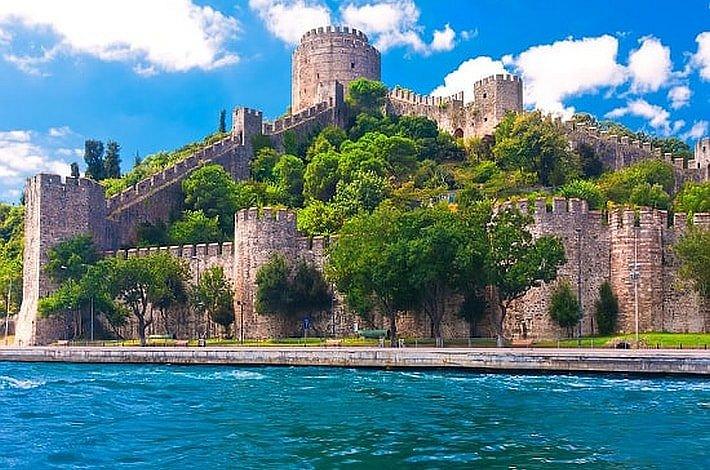
The Rumeli Fortress, also known as Rumelihisarı in Turkish, is a magnificent historical landmark that holds great significance in Istanbul’s history. Built by the Ottoman Sultan Mehmed the Conqueror in 1452, the fortress played a crucial role in the conquest of Constantinople, which marked the end of the Byzantine Empire and the beginning of Istanbul as the Ottoman capital.
The construction of the fortress was a strategic move by Sultan Mehmed to control the Bosphorus Strait and prevent any potential attacks from the Byzantines who were defending the city. The location of the fortress allowed the Ottomans to effectively control the traffic passing through the strait, giving them a significant advantage during the siege of Constantinople.
The Rumeli Fortress is a true architectural marvel. Its imposing walls stretch over a distance of 250 meters and are reinforced with three large towers and 13 bastions. The fortress was built using a combination of stone and mortar, showcasing the exceptional craftsmanship of the Ottoman builders. Walking through the fortress, visitors can’t help but be in awe of its grandeur and the historical events that unfolded within its walls.
Today, the Rumeli Fortress has been transformed into a museum, offering visitors a glimpse into its rich history. Inside the fortress, you can explore various exhibits that showcase artifacts and documents related to the conquest of Constantinople. These exhibits provide valuable insights into the military strategies employed by the Ottomans and the challenges they faced during the siege.
Visiting the Rumeli Fortress is a truly immersive experience. As you walk along its ramparts, you can enjoy breathtaking views of the Bosphorus Strait and the surrounding areas. The serene atmosphere and the stunning scenery make it an ideal spot for photography enthusiasts and nature lovers.
To make the most of your visit, check the opening hours before you go. Opening days and times change with the season and can be affected by restoration work, so the official Turkish museums website (muze.gov.tr) or the museum itself is the best source for up-to-date information.
So, if you’re planning a trip to Istanbul, don’t miss the opportunity to explore the magnificent Rumeli Fortress. Immerse yourself in its rich history, marvel at its architectural beauty, and soak in the breathtaking views of the Bosphorus Strait. It’s a journey through time that you won’t soon forget.
After the conquest of Constantinople, the Rumeli Fortress continued to play a vital role in the defense of the Ottoman Empire. It served as a key military outpost and a symbol of Ottoman power in the region. The fortress was strategically positioned to control the traffic on the Bosphorus Strait, allowing the Ottomans to regulate trade and secure their dominance over the maritime routes.
Over the centuries, the Rumeli Fortress underwent several renovations and expansions to adapt to changing military needs. Additional towers and fortifications were added to strengthen its defenses, and the interior was modified to accommodate the growing number of troops stationed there. The fortress became a formidable stronghold, capable of withstanding sieges and repelling attacks from both land and sea.
Aside from its military significance, the Rumeli Fortress also had a significant impact on the cultural and architectural landscape of the region. Its imposing presence and intricate design made it a marvel of Ottoman engineering. The fortress’s walls, constructed with large stone blocks and fortified with towers, showcased the mastery of Ottoman masonry and served as a testament to the empire’s architectural prowess.
Today, the Rumeli Fortress stands as a popular tourist attraction and a reminder of Istanbul’s rich history. Visitors can explore its well-preserved walls, climb its towers, and enjoy panoramic views of the Bosphorus. The fortress also hosts various cultural events and exhibitions, further adding to its allure.
Overall, the Rumeli Fortress stands as a testament to the military might and architectural brilliance of the Ottoman Empire. Its construction and strategic location played a crucial role in the conquest of Constantinople and the subsequent expansion of Ottoman territories. Today, it serves as a link to the past, allowing visitors to immerse themselves in the history and grandeur of one of the world’s greatest empires.
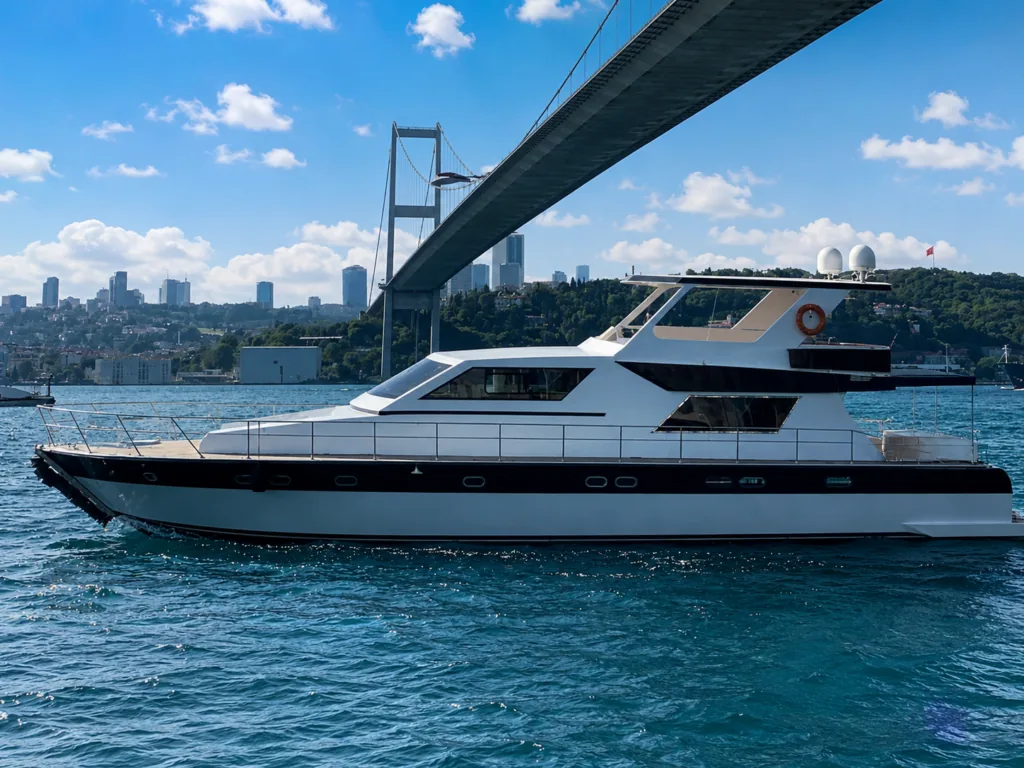
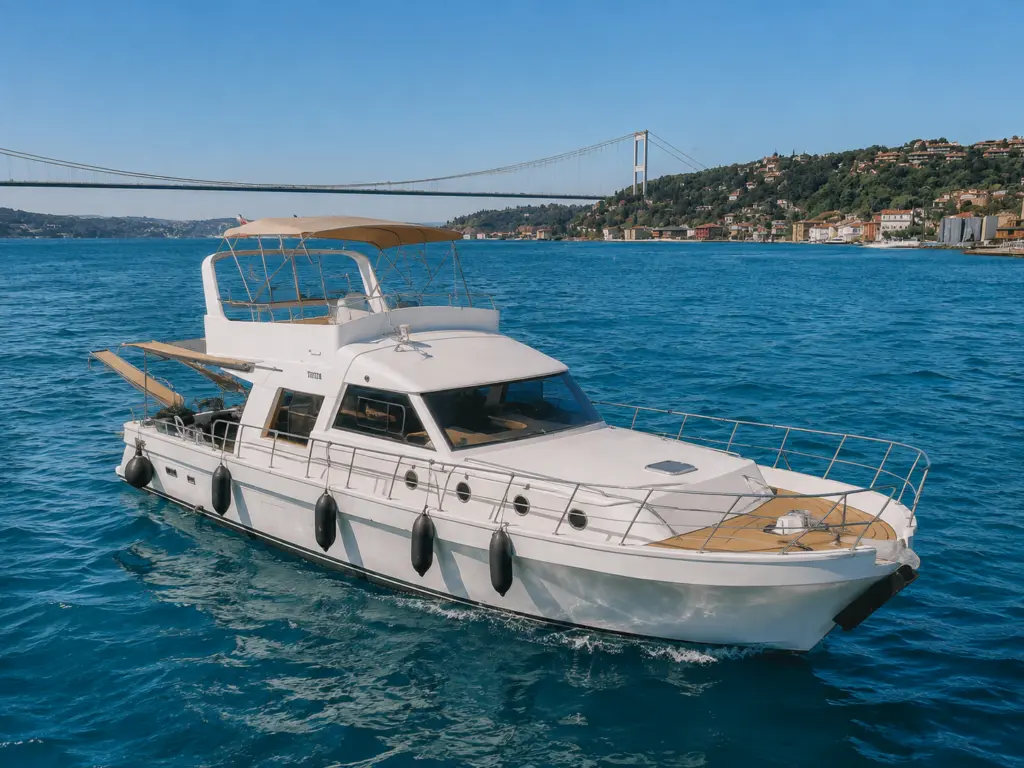
Inside the walls, visitors can walk along parts of the ramparts and towers (some stairs are steep and uneven, so wear sensible shoes), see the historic cannons and cannonballs displayed in the grounds, and enjoy some of the finest views of the Bosphorus and the Fatih Sultan Mehmet Bridge. The open-air amphitheatre within the fortress has traditionally been used for summer concerts.
Opening Hours and Visitor Information
The Rumeli Fortress Museum is open to visitors throughout the year, allowing you to explore its wonders at your convenience. The opening hours may vary depending on the season, so it is always a good idea to check the official website or contact the museum before your visit.
It is important to note that these opening hours are subject to change during public holidays or special events, so it is advisable to plan your visit accordingly.
When visiting the Rumeli Fortress Museum, it is recommended to wear comfortable shoes as there are some steep stairs and uneven surfaces within the fortress. Additionally, don’t forget to bring your camera to capture the stunning views and memorable moments during your visit.
Ticket prices change regularly, so check the current entrance fee on the official museums website (muze.gov.tr) before your visit. Reduced rates may be available for some visitor groups.
If you’re planning to visit the Rumeli Fortress Museum with a group, it is advisable to make a reservation in advance to ensure availability and to receive any group discounts that may be available. The museum staff can also provide additional information on accessibility options for visitors with disabilities.
Lastly, as the Rumeli Fortress Museum is located in a picturesque area along the Bosphorus, it is worth taking some time to explore the surrounding area. There are charming cafes and restaurants nearby where you can enjoy a meal or a cup of Turkish tea while taking in the breathtaking views of the Bosphorus and the fortress itself.
Summarize with AI: ChatGPT · Claude · Perplexity

Comments (0)