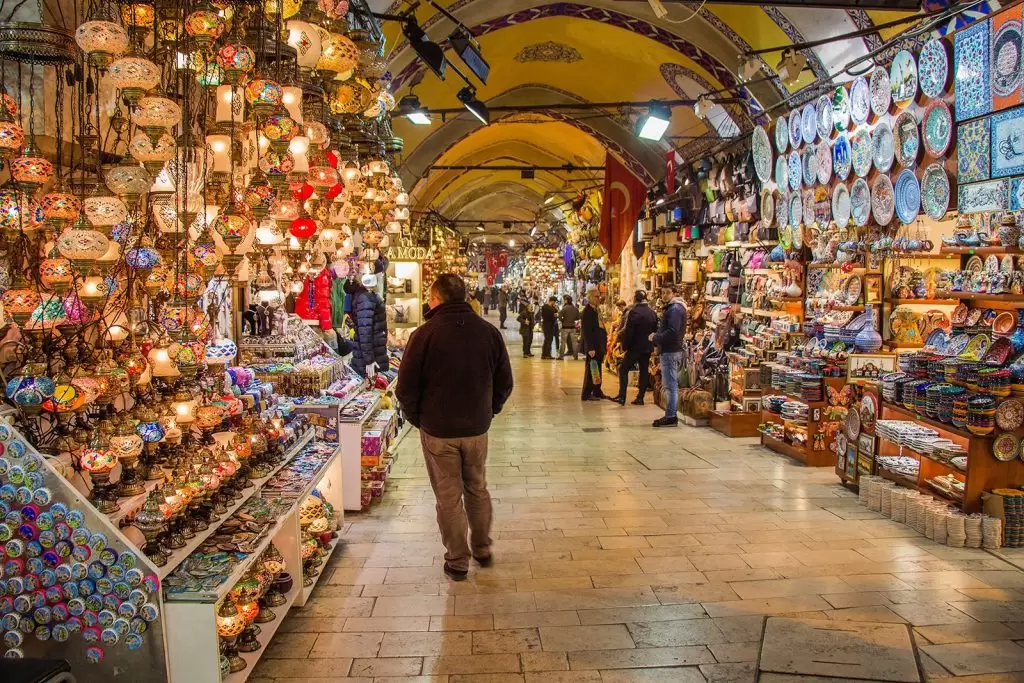
The Grand Bazaar in Istanbul is one of the oldest and largest covered markets in the world, with more than 4,000 shops spread across 61 historic streets. Built in the 15th century during the Ottoman era, it has remained a major center of trade and craftsmanship for centuries.
Today the bazaar attracts millions of visitors each year who come to explore traditional Turkish goods such as carpets, gold jewelry, ceramics, and handmade souvenirs while experiencing one of the city’s most iconic historical landmarks.
What is the Grand Bazaar?
Often searched globally as the Grand Bazaar Turkey, this massive historical covered market is located in Istanbul and spans over 61 covered streets, housing more than 4,000 shops. It is famous for selling traditional Turkish carpets, gold jewelry, exquisite ceramics, spices, and handcrafted souvenirs, drawing millions of visitors annually.
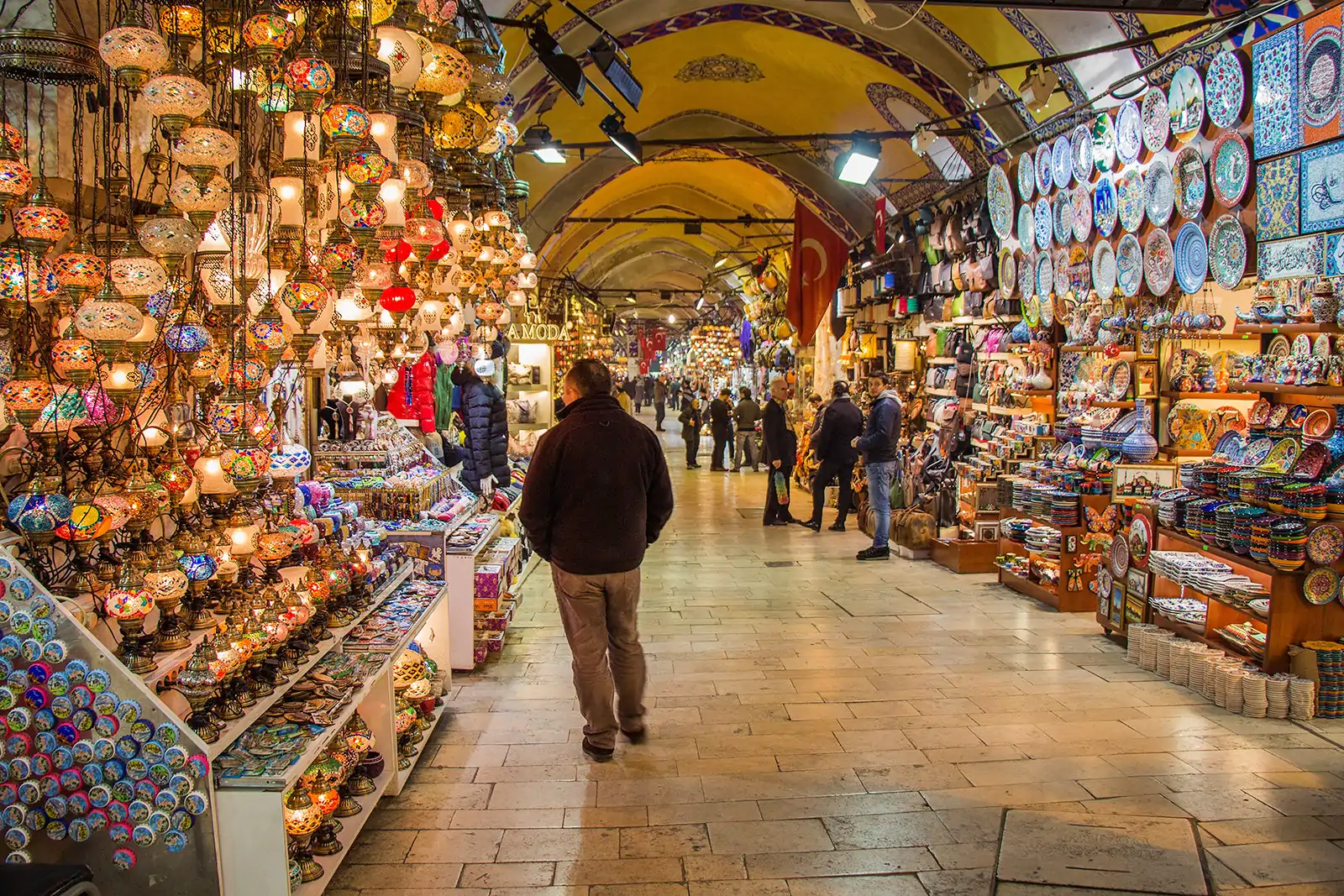
Often regarded as the world’s first shopping mall, the complex is not just a retail space. It contains its own mosques, hammams (bathhouses), cafes, and a vast network of artisan workshops (known as hans) where craftsmen still practice centuries-old techniques. Navigating the labyrinth of the grand bazaar istanbul shops is an adventure in itself.

The History of the Grand Bazaar
Diving into the grand bazaar istanbul history reveals the strategic and economic genius of the Ottoman Empire. The construction of the market began in 1455, shortly after the Ottoman conquest of Constantinople, under the direct orders of Sultan Mehmed the Conqueror. His goal was to stimulate economic prosperity in the newly conquered city and provide a steady stream of rental income to support the Hagia Sophia mosque.
The market originally started as a single domed structure called the Cevahir Bedesten (Jewelers’ Bedesten), dedicated to the trading of luxury goods like silk and gems. Over the centuries, successful merchants built roofs over the surrounding streets, eventually merging multiple independent markets into the colossal, unified labyrinth we see today. Despite surviving numerous earthquakes and devastating fires throughout history, it has always been rebuilt and restored to its former glory.
Where is the Grand Bazaar Located in Istanbul?
The Grand Bazaar is situated in the Beyazıt neighborhood of the Fatih district, stretching between the Beyazıt and Çemberlitaş tram stations on the historic peninsula. It sits conveniently near other major historical sites, making it incredibly accessible for tourists exploring the old city.
The easiest way to reach it is by taking the T1 Tram line and getting off at the Beyazıt-Kapalıçarşı station, which drops you right in front of the iconic Gate 7 (Beyazıt Gate). Alternatively, if you get off at the Çemberlitaş station, you can enter through Gate 1 (Nuruosmaniye Gate). This entrance offers a beautiful pedestrian approach right next to the Nuruosmaniye Mosque, lined with premium cafes and boutique stores.
What Are the Working Hours of the Grand Bazaar?
If you are looking up grand bazaar istanbul hours, the market is generally open from 08:30 AM to 07:00 PM, running from Monday through Saturday. The market is entirely closed on Sundays and during national or religious holidays. It is important to plan your itinerary carefully to ensure you have enough time to explore before the gates are locked.
Opening Hours of the Grand Bazaar
To avoid arriving at locked gates, you should keep the specific grand bazaar timings and grand bazaar istanbul opening hours in mind:
- Monday to Saturday: 08:30 AM – 07:00 PM
- Sunday: Closed
- Religious Holidays: Closed (usually closed for the entirety of Eid al-Fitr and Eid al-Adha).
- Republic Day (October 29): Closed
If you are planning an afternoon visit, always keep the grand bazaar closing time (07:00 PM) in mind. Shopkeepers usually start packing up their stalls around 06:30 PM.
Best Time of the Day to Visit the Grand Bazaar
If you want a peaceful shopping experience, the best time to visit the bazaar is early in the morning right when it opens, around 09:00 AM. During these early grand bazaar opening hours, the corridors are relatively empty, the shopkeepers are refreshed, and you are more likely to get the “siftah” (the first sale of the day, which merchants often offer at a discount for good luck). Conversely, visiting between 02:00 PM and 04:00 PM puts you right in the middle of massive tourist crowds.
What Can You Do Inside the Grand Bazaar?
With over 60 streets to explore, the options for discovery are practically endless. However, to make the most of your trip, it helps to have a rough idea of what you want to achieve. Grabbing a physical or digital grand bazaar map at the entrance is highly recommended to keep your bearings.
Shopping for Traditional Turkish Products
The primary activity is, of course, shopping. The market is organically divided into specific zones based on the type of goods being sold. For instance, the main street (Kalpakçılar Caddesi) is almost entirely dedicated to glittering gold and diamond shops, while other streets focus entirely on leather jackets, antique carpets, or copperware.
Experiencing Turkish Culture and Local Crafts
Beyond the storefronts, taking the time to sip strong Turkish tea (çay) on a tiny stool in a side alley is a quintessential local experience. The bazaar’s ornate ceilings, vibrant shop displays, and bustling corridors also make it one of the most photogenic spots in the city — a quick search for grand bazaar istanbul photos online will give you a glimpse, but nothing compares to seeing it in person.

Insider Tip: A must-visit is the historic Şark Kahvesi (Orient Cafe), located on Yağlıkçılar Street. Here, you can rest your feet and enjoy a traditional Turkish coffee brewed slowly over hot sand, surrounded by nostalgic photographs and the murmur of local merchants.
If you get hungry during your exploration, look out for traditional artisan restaurants (esnaf lokantası) hidden within the bazaar, such as the famous Havuzlu Restaurant, or grab an authentic döner wrap near the entrance gates. You should also venture into the Hans (courtyards) attached to the main bazaar. Places like Zincirli Han offer a much quieter atmosphere where you can watch artisans hand-painting ceramics or melting silver.
What to Buy at the Grand Bazaar
Knowing what to buy ensures you do not get overwhelmed by the sheer volume of goods on display.
Jewelry and Gold Shops
Istanbul is famous for its masterful goldsmiths. If you are looking for investment gold, custom-made wedding bands, or intricate Ottoman-style silver jewelry, the central arteries of the market are filled with reputable jewelers. The prices of gold are usually displayed on digital boards and fluctuate with the global market, but the labor cost is highly negotiable.
Turkish Carpets and Textiles
A handwoven Turkish kilim or a pure silk carpet is the ultimate luxury souvenir. Carpet shopping here is an event in itself; merchants will unroll dozens of rugs while offering you apple tea and explaining the regional motifs and weaving techniques. Additionally, you can find high-quality pashminas, silk scarves, and traditional peshtemal (hammam towels).
Souvenirs and Handmade Goods
If you need gifts for friends back home, the bazaar has you covered. Look for hand-painted Iznik ceramics, intricately decorated mosaic lamps, backgammon boards inlaid with mother-of-pearl, and the ever-popular “evil eye” (Nazar Boncuğu) amulets to ward off bad luck.
Quick Comparison: Grand Bazaar vs. Arasta Bazaar
| Feature | Grand Bazaar | Arasta Bazaar |
|---|---|---|
| Size | Massive (4,000+ shops) | Small (approx. 70 shops) |
| Location | Beyazıt (15 mins from Blue Mosque) | Sultanahmet (Right behind Blue Mosque) |
| Atmosphere | Bustling, loud, intense bargaining | Quiet, relaxed, laid-back shopping |
| Best For | Getting lost, massive variety, gold | Quick souvenir stops, carpets, ceramics |
Tips for Visiting the Grand Bazaar
How to Bargain Like a Local?
Bargaining is expected and is a deeply ingrained part of the culture here. As a rule of thumb, when you ask for the price of an unpriced item, counter with an offer that is 30% to 40% lower. Keep a friendly smile, treat it like a game, and never show that you are overly desperate to buy the item. The famous “walk away” trick often results in the shopkeeper calling you back with their absolute final, lowest price.
How Much Time to Spend at the Bazaar?
For a first-time visitor, you should allocate at least 2 to 3 hours. This gives you enough time to wander aimlessly, take photos, sit down for a quick Turkish coffee at Şark Kahvesi, and engage in some polite haggling without feeling rushed.
How to Navigate the Bazaar Streets?
Do not be afraid of getting lost; it happens to everyone, and it is part of the charm! If you are looking for the oldest part of the market, ask for the İç Bedesten (Old Bazaar), where you will find a treasure trove of antique jewelry, old coins, and vintage Ottoman weapons. If you need to find your way out, simply look up at the street signs or ask a shopkeeper to point you toward one of the main gates. Having a grand bazaar map on your phone can act as a helpful safety net.
Things to Do Near the Grand Bazaar
Once you step out of the bustling market, you are perfectly positioned to explore the rest of the historical peninsula.
Visit Historic Landmarks Around the Old City
The immediate vicinity is packed with architectural wonders:
- Beyazıt Mosque: Located right next to the main entrance, this is one of the oldest surviving imperial mosques in the city.
- Süleymaniye Mosque: A short 10-minute walk uphill brings you to the masterpiece of architect Mimar Sinan, offering stunning views of the Golden Horn.
- Spice Bazaar: If you walk downhill toward the Eminönü waterfront, you will reach the Egyptian Spice Bazaar, the perfect spot to buy Turkish delight and exotic spices.
Experience a Bosphorus Cruise in Istanbul
After spending a few hours walking through the crowded, covered streets, the best way to unwind is on the water. Head down to the Eminönü or Karaköy piers and book a Bosphorus cruise. Gliding between the European and Asian continents while the sea breeze cools you down is the perfect contrast to the busy market. For a truly unforgettable evening, consider upgrading to a luxurious Bosphorus dinner cruise, where you can watch the city light up while enjoying traditional Turkish entertainment and gourmet food.
FAQ About the Grand Bazaar
Is the Grand Bazaar free to enter?
Yes, the Grand Bazaar is completely free to enter. You can walk through its historical streets, take photographs, and browse the thousands of shops without paying any admission fee.
What Time Does the Grand Bazaar Close?
The Grand Bazaar officially closes its doors at 07:00 PM. However, it is highly recommended to finish your shopping by 06:30 PM, as merchants begin packing up their displays and covering their stalls well before the final closing time.
Is the Grand Bazaar Open on Sunday?
No, the Grand Bazaar is strictly closed on Sundays. If you are planning a weekend trip to Istanbul, you must schedule your visit to this historic market for Saturday or a weekday.
How to Go to the Grand Bazaar in Istanbul?
The most efficient way to get there is by taking the T1 Tram line. You should get off at the Beyazıt-Kapalıçarşı station. The main entrance (Gate 7) is located just a few steps away from the tram stop. You can also get off at Çemberlitaş for Gate 1.
How long should visitors spend there?
Most tourists find that 2 to 3 hours is the perfect amount of time to spend at the Grand Bazaar. This allows enough time to browse various sections, practice bargaining, and enjoy a traditional cup of Turkish coffee.
How many shops are inside the Grand Bazaar?
The complex is incredibly vast, housing approximately 4,000 individual shops spread across 61 covered streets. These shops sell everything from precious jewelry and antiques to leather goods and traditional Turkish carpets.
How Old Is the Grand Bazaar in Istanbul?
Construction of the core of the Grand Bazaar began in the winter of 1455, making it nearly 570 years old. It was commissioned by Sultan Mehmed the Conqueror shortly after the Ottoman conquest of Constantinople.


